Gum disease is one of the most common oral health concerns, but it does not always cause noticeable discomfort in its early stages. Some people may notice bleeding while brushing, swollen gums, or persistent bad breath and assume these symptoms will go away on their own. Without appropriate care, however, gum disease can gradually affect the tissues and bone that support your teeth.
The good news is that recognizing gum problems early and getting appropriate treatment can help protect your gums and natural teeth. The type of care needed depends on how advanced the condition has become and how your gums respond to treatment.
How Does Gum Disease Affect Your Teeth?
Gum disease typically begins when plaque and bacteria accumulate around the teeth and along the gumline. If plaque is not removed effectively, it can contribute to inflammation and irritation of the gums.
As the condition progresses, the infection can affect the tissues supporting the teeth. More advanced gum disease may cause the gums to pull away from the teeth and contribute to bone loss.
When the supporting structures become weakened, teeth may become loose and more difficult to maintain. This is one reason timely treatment is important.
Can Treatment Help Prevent Tooth Loss?
In many cases, appropriate treatment can help control gum disease and protect the structures supporting your teeth. Treatment does not necessarily restore tissue or bone that has already been lost, but it can help manage active infection and reduce the risk of further damage.
The earlier gum disease is identified, the more opportunities there may be to manage it before significant supporting tissue is affected.
For patients looking for gum disease treatment in Tucson, a dental evaluation can help determine the condition of the gums and whether professional treatment is needed.
What Are the Early Signs of Gum Disease?
Gum disease can develop gradually, so knowing what to watch for is important. Common warning signs may include:
- Bleeding during brushing or flossing
- Red or swollen gums
- Persistent bad breath
- Tender or sensitive gums
- Gums that appear to be pulling away from teeth
- Changes in how your teeth fit together
- Loose or shifting teeth
You do not need to experience all of these symptoms to benefit from an evaluation. If something about your gums or teeth has changed, discussing it with your dental provider can help identify the cause.
Why Is Early Treatment Important?
Early treatment may help prevent gum disease from progressing to a more advanced stage. When inflammation and bacterial buildup are addressed, your gums may have a better opportunity to remain healthy and stable.
Delaying care can allow inflammation to continue affecting the tissues around your teeth. In advanced cases, the supporting bone may also be affected, making tooth preservation more challenging.
At Twin Peaks Dental, regular examinations can help monitor your gum health and identify changes before they become more serious.
What Does Gum Disease Treatment Involve?
Treatment depends on the severity of your gum disease. A dental professional will first evaluate your gums and supporting structures to determine how advanced the condition is.
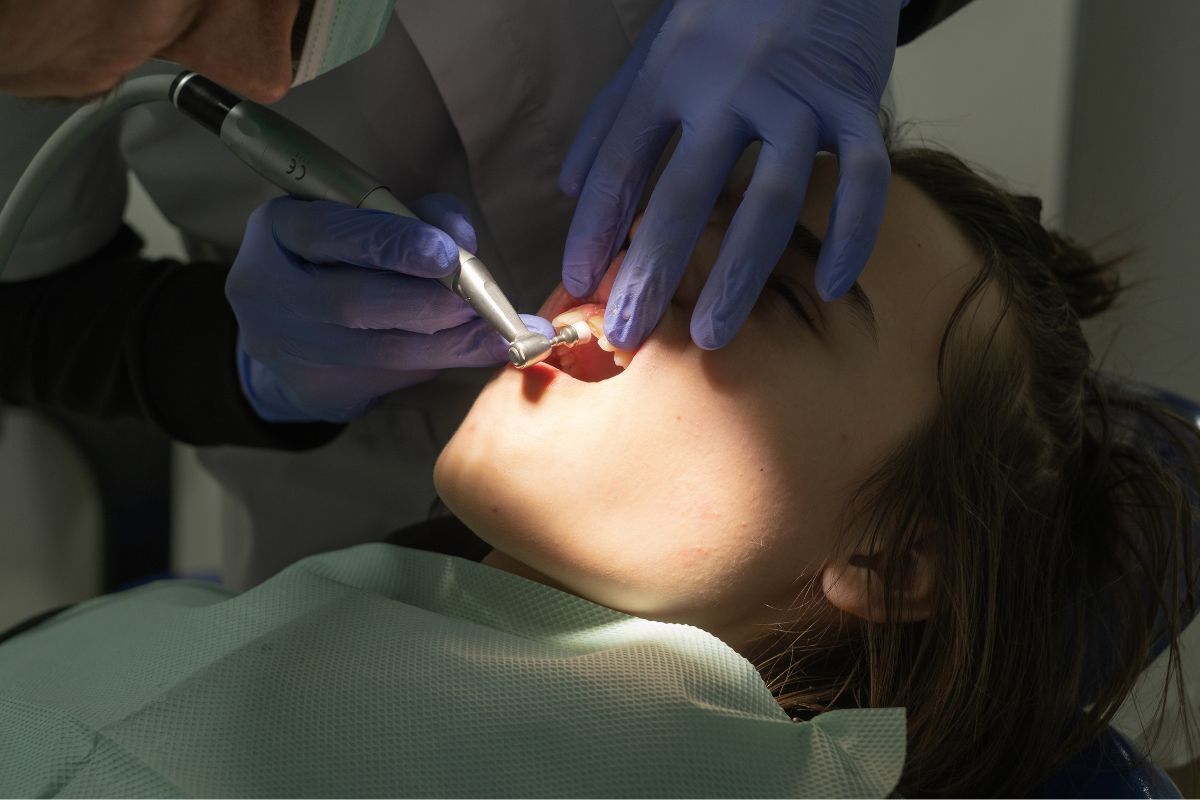
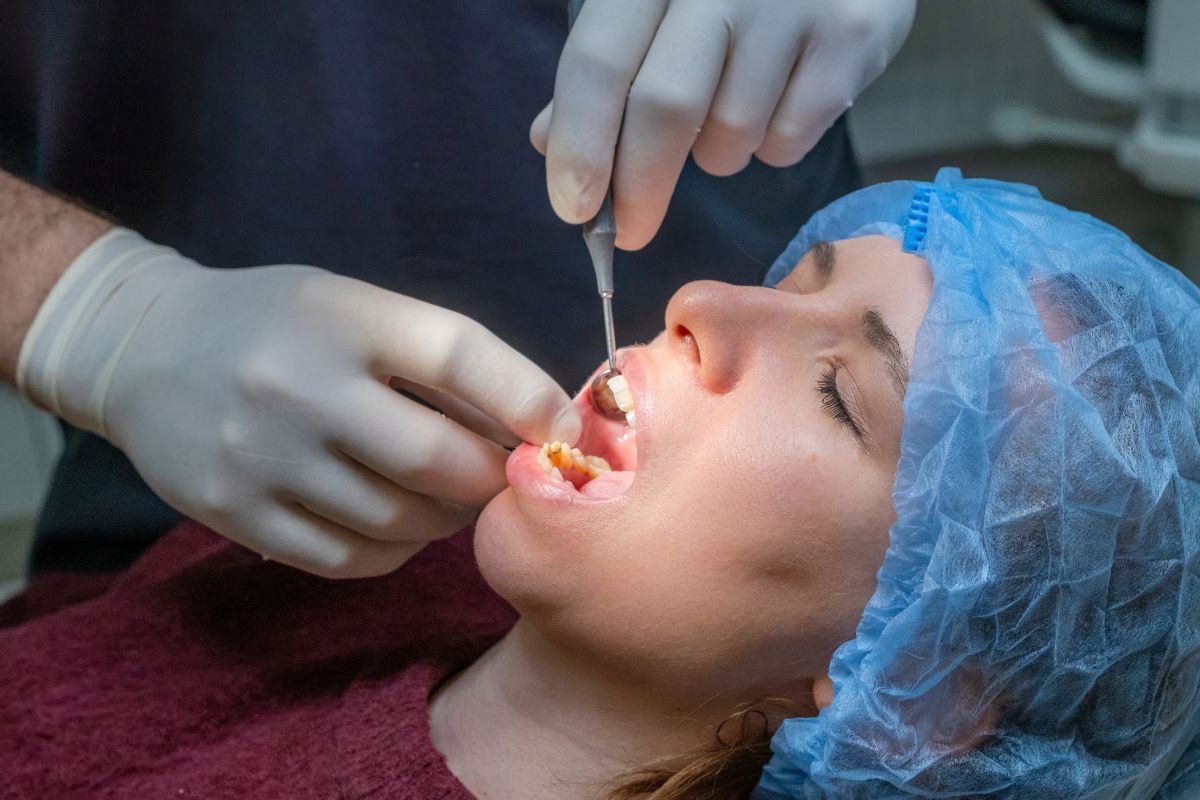
For mild gum disease, professional cleaning and improved daily brushing and flossing may be enough to help control the problem. More advanced cases may require a deeper cleaning procedure to remove bacteria and hardened deposits from below the gumline.
Your dental provider may also recommend more frequent maintenance visits to monitor your gums and help prevent the condition from progressing.
Can Good Oral Hygiene Support Treatment?
Professional treatment is only one part of managing gum disease. Your daily oral hygiene routine plays an important role in keeping plaque under control.
Brushing twice a day and cleaning between your teeth can help remove bacteria before it accumulates along the gumline. Your dental team can also recommend specific techniques or products based on your individual needs.
If you have been diagnosed with gum disease, following your recommended maintenance schedule can be particularly important.
Can Gum Disease Return After Treatment?
Yes. Treating gum disease does not mean you can stop paying attention to your gums. Plaque can accumulate again, and gum inflammation may return without consistent oral hygiene and professional monitoring.
Your dental provider may recommend periodic maintenance appointments depending on your gum health. Keeping these appointments can help identify changes early and support the long-term health of your gums.
What If Your Teeth Already Feel Loose?
Loose or shifting teeth can be a sign that the supporting structures around the teeth have been affected. This does not necessarily mean that the tooth must be removed.
An evaluation can help determine what is causing the looseness and whether treatment may help stabilize the situation. The sooner the cause is identified, the sooner appropriate care can begin.
If you notice a tooth becoming loose, avoid ignoring the change simply because it is not painful.
How Can You Reduce Your Risk of Tooth Loss?
Maintaining healthy gums requires consistent care at home and regular professional examinations. You can support your oral health by:
- Brushing twice daily with fluoride toothpaste.
- Cleaning between your teeth every day.
- Avoiding tobacco products.
- Keeping recommended dental appointments.
- Contacting your dental provider when gum symptoms develop.
These habits can help control plaque and make it easier to identify gum problems before they progress.
Protect Your Gums and Natural Teeth
Gum disease does not have to mean inevitable tooth loss. Identifying the condition early, receiving appropriate care, and maintaining good oral hygiene can help protect the tissues that support your natural teeth.
If you have bleeding, swelling, persistent bad breath, loose teeth, or other changes involving your gums, consider scheduling an evaluation with Twin Peaks Dental to assess your gum health and discuss appropriate treatment options.
Frequently Asked Questions
1. Can gum disease cause tooth loss?
Yes. Advanced gum disease can damage the tissues and bone that support your teeth, potentially causing teeth to become loose and increasing the risk of tooth loss.
2. Can gum disease be treated before it causes tooth loss?
Treatment can often help control gum disease and reduce the risk of further damage, particularly when the condition is identified early.
3. Do bleeding gums always mean gum disease?
Bleeding gums can have several possible causes, but frequent bleeding during brushing or flossing should not be ignored. A dental evaluation can help determine why it is happening.
4. Can gum disease be present without pain?
Yes. Gum disease may develop without significant pain, which is why regular dental examinations are important even when your teeth and gums feel normal.
5. Can loose teeth become stable again after gum treatment?
It depends on the cause and severity of the problem. Your dental provider can evaluate the supporting tissues and determine whether treatment may help.
6. How can I maintain healthy gums after treatment?
Continue brushing twice daily, clean between your teeth daily, follow your dental provider’s recommendations, and attend maintenance appointments as advised.