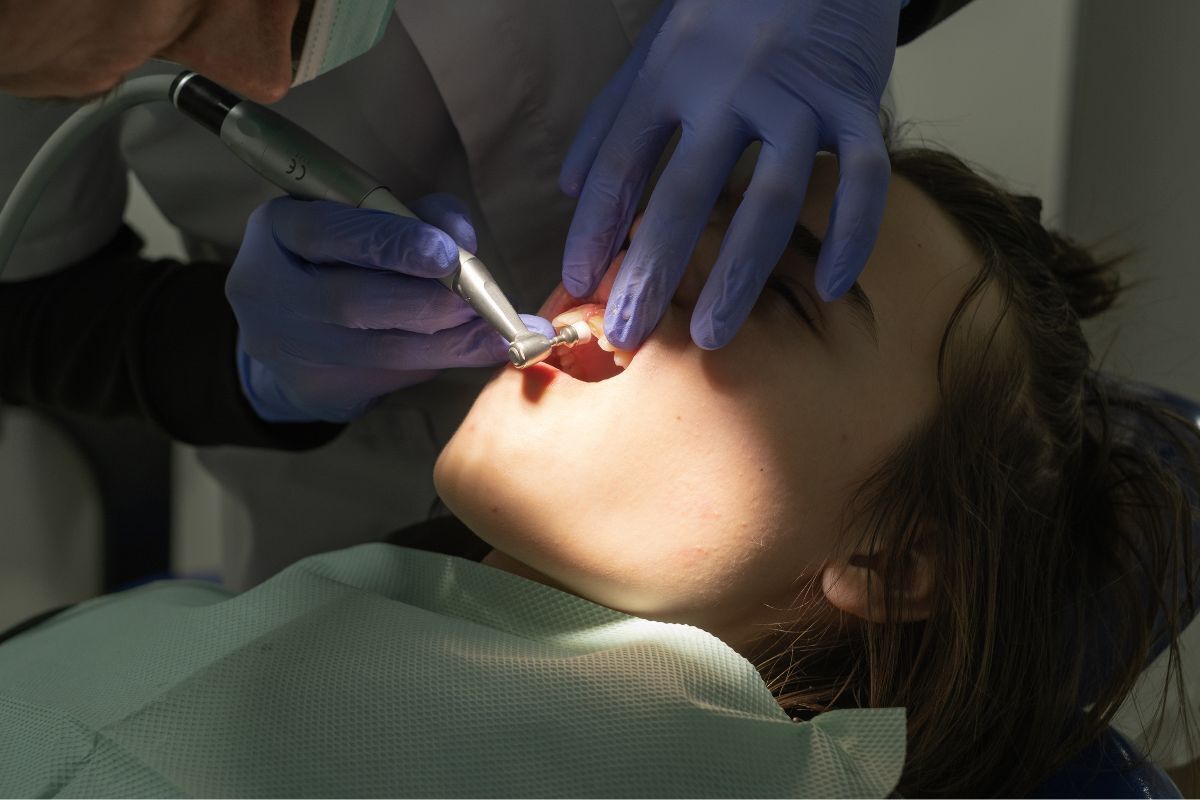

Many people think a dental visit is only necessary when something hurts. However, some dental problems can develop without noticeable symptoms. A cavity, gum disease, or a damaged tooth may progress before you feel any discomfort. Waiting for pain can sometimes mean waiting until a problem requires more complicated treatment.
Regular dental visits can help identify concerns early, monitor changes in your oral health, and keep your teeth and gums in better condition. Preventive care is about more than treating pain—it is about staying ahead of potential problems.
Dental Problems Can Develop Without Pain
Not every dental problem causes immediate discomfort. Some conditions can progress quietly, particularly during their early stages.
During a routine examination, a dental professional can look for concerns that may not be easy to see or recognize at home. This can include early decay, gum inflammation, damaged restorations, and changes affecting your teeth or bite.
What Can a Dental Checkup Detect?
A routine dental examination can help identify several concerns before they become more noticeable:
- Early cavities: Small areas of decay may not cause pain initially.
- Gum disease: Early inflammation or bleeding can sometimes go unnoticed.
- Damaged teeth: Small cracks, worn areas, or chips may become larger over time.
- Worn dental work: Fillings, crowns, and other restorations can deteriorate gradually.
- Changes in your bite: Shifting teeth or changes in how your teeth meet may be detected during an examination.
Finding these concerns early may provide more opportunities for conservative treatment.
Regular Cleanings Do More Than Polish Your Teeth
Even with good brushing and flossing, plaque can remain in areas that are difficult to clean. Over time, plaque can harden into tartar, which cannot be removed effectively with regular brushing.
Professional cleanings can help:
- Remove plaque and tartar buildup.
- Support healthier gums.
- Reduce the risk of gum inflammation.
- Reach areas that may be difficult to clean at home.
- Give your dental team an opportunity to identify areas where your home-care routine may need improvement.
Keeping up with professional cleanings is an important part of maintaining your oral health.
Why Early Detection Matters
A dental problem that is small today may become more complicated if it is ignored. For example, untreated decay can progress deeper into a tooth, while a damaged filling may eventually allow bacteria to enter the tooth.
Early detection may help:
- Preserve more natural tooth structure.
- Reduce the risk of complications.
- Make treatment more manageable.
- Address problems before they cause significant discomfort.
- Support better long-term oral health.
This is one reason routine appointments remain important even when you feel that your teeth are perfectly healthy.
Your Dentist Can Monitor Changes Over Time
Your oral health can change as you age. Existing dental work may wear down, teeth may shift, and your risk of cavities or gum disease can change.
Regular appointments allow your dental team to compare your current oral health with previous visits and monitor changes.
Your dentist may evaluate:
- Teeth and existing restorations.
- Gums and supporting tissues.
- Bite and tooth alignment.
- Areas where plaque tends to accumulate.
- Changes that may require monitoring or treatment.
This ongoing monitoring can help create a more personalized approach to your dental care.
When Should You Schedule a Dental Visit?
You should not wait for severe pain before making an appointment. Consider scheduling a dental visit if you notice:
- Tooth sensitivity that keeps returning.
- Bleeding or swollen gums.
- Persistent bad breath.
- A chipped, cracked, or rough tooth.
- Changes in your bite.
- Food repeatedly getting trapped in one area.
- A filling, crown, or other restoration that feels different.
Even if these symptoms are mild, an examination can help determine whether they require attention.
What Happens During a Routine Dental Checkup?
A routine visit generally involves an examination of your teeth and gums, along with professional cleaning when appropriate. X-rays may also be recommended depending on your dental history and current needs.
During your visit, you can discuss any changes or concerns you have noticed. Your dental team can then recommend preventive care or treatment based on your individual situation.
If you are searching for a dentist in Tucson, choosing a dental practice for regular preventive visits can make it easier to monitor your oral health consistently.
How Often Should You Visit the Dentist?
There is no universal schedule for every patient. Your recommended appointment frequency may depend on factors such as your dental history, oral hygiene, gum health, and risk of developing cavities.
Your Tucson dentist can recommend how often you should have examinations and cleanings based on your individual needs.
Maintaining the recommended schedule can help you stay proactive instead of waiting until a dental concern becomes painful.
Why Preventive Dental Care Is Worth It
Visiting the dentist without tooth pain may seem unnecessary, but preventive care can help you identify problems while they are still manageable.
Regular examinations and cleanings can support:
- Earlier detection of dental problems.
- Healthier teeth and gums.
- Better understanding of your oral health.
- Maintenance of existing dental work.
- A more proactive approach to future dental needs.
At Twin Peaks Dental, routine dental care focuses on prevention, early detection, and maintaining your oral health over time.
Stay Ahead of Dental Problems
You do not need to have tooth pain to benefit from a dental visit. Regular examinations, professional cleanings, and good home-care habits can help protect your teeth and gums while allowing potential problems to be addressed earlier.
If you are due for a checkup or have not visited a dentist recently, contact Twin Peaks Dental to schedule an appointment and take a proactive approach to your oral health.
Frequently Asked Questions
1. Do I need a dental checkup if nothing hurts?
Yes. Some dental problems can develop without noticeable pain. Routine examinations can help identify concerns before they become more advanced.
2. Can cavities exist without tooth pain?
Yes. Early cavities may not cause any symptoms. Regular examinations can help detect decay before discomfort develops.
3. How often should I visit the dentist?
The ideal schedule depends on your individual oral health and risk factors. Your dental provider can recommend an appropriate frequency.
4. Are dental cleanings necessary if I brush every day?
Yes. Brushing and flossing are essential, but professional cleanings can remove tartar and buildup that cannot be effectively removed at home.
5. What if I have not visited a dentist for several years?
Schedule an examination rather than waiting for pain. Your dentist can evaluate your current oral health and recommend the appropriate next steps.
6. Can regular dental visits prevent all dental problems?
No, but routine care can help identify many concerns earlier and support better long-term oral health.