
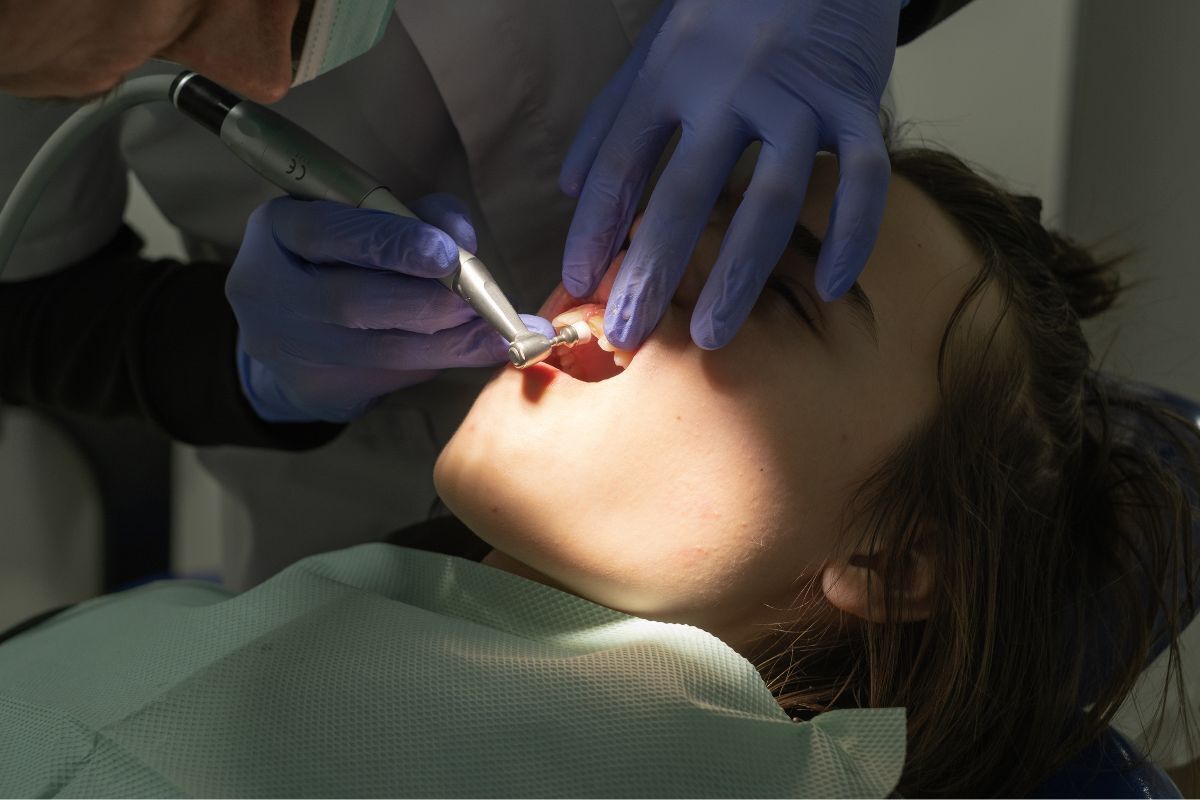
A dental infection may begin with something that seems manageable, such as tooth pain, sensitivity, or swelling. However, an infection inside a tooth or around the surrounding tissues can become more serious when treatment is delayed. In some cases, bacteria can spread beyond the original area and affect nearby tissues. When symptoms become severe or worsen quickly, Emergency Dentistry can provide timely evaluation and treatment to help prevent the infection from becoming more complicated.
Knowing the warning signs of an infection and understanding when professional care is needed can help you take action before the condition becomes more complicated.
What Causes a Dental Infection?
A dental infection can develop when bacteria enter the deeper structures of a tooth. This may happen because of untreated decay, a crack, a damaged tooth, or an injury.
When bacteria reach the pulp inside the tooth, the tissue can become inflamed or infected. An infection may also develop around the root when bacteria move beyond the inside of the tooth.
A dental infection does not always cause severe symptoms immediately. This can make it easy to postpone care, especially if discomfort temporarily improves.
Can a Dental Infection Spread?
Yes. Without appropriate treatment, an infection can extend from the affected tooth into the surrounding tissues. In more advanced cases, bacteria can spread into areas such as the jaw, face, or neck.
The extent and speed of progression vary from person to person. A dental infection that appears relatively small should therefore not be ignored simply because symptoms are mild.
Seeking urgent dental care when serious symptoms develop can help determine the cause of the infection and the appropriate treatment.
What Are Common Warning Signs?
Possible signs of a dental infection include:
- Persistent or severe toothache
- Swelling around the tooth or gums
- Tenderness when touching or biting
- A pimple-like bump on the gums
- Bad taste or drainage in the mouth
- Sensitivity to hot or cold
- Fever or feeling generally unwell
- Swelling of the face or jaw
Not every person will experience all of these symptoms. If you notice several of them together, prompt dental evaluation is important.
Why Can Pain Sometimes Improve?
One reason people delay treatment is that dental pain may suddenly become less noticeable. However, improvement does not necessarily mean the infection has disappeared.
If the nerve inside a severely infected tooth loses its ability to function, the pain may decrease even though bacteria remain present. The infection can continue affecting tissues around the tooth.
For this reason, a reduction in pain should not be considered proof that the problem has resolved.
What Happens If Treatment Is Delayed?
Delaying care can give an infection more time to progress. The infection may cause increased swelling, damage surrounding tissues, or become more difficult to manage.
A dental infection may also affect your ability to eat, sleep, or carry out normal activities. In more serious cases, infection can extend into spaces in the face and neck.
Early evaluation allows a dental professional to determine the source of the problem and discuss treatment before the condition becomes more extensive.
When Should You Seek Emergency Dental Care?
Severe or rapidly increasing tooth pain, significant swelling, facial swelling, or signs of infection should not be ignored.
If you have difficulty breathing or swallowing, significant swelling around the face or neck, or feel seriously unwell, seek immediate medical attention. These symptoms can indicate a potentially serious infection requiring urgent care.
For less severe symptoms, contacting an emergency dentist promptly can help determine whether you need urgent dental treatment.
How Is a Dental Infection Treated?
Treatment depends on the source and severity of the infection. Your dentist will examine the affected area and may use dental imaging to determine what is happening beneath the surface.
If the infection originates inside a tooth, root canal treatment may be recommended to remove the infected tissue, clean the internal canals, and seal the tooth.
If the tooth cannot be preserved, extraction may be considered. In some situations, antibiotics may also be prescribed, particularly when there are signs that the infection has spread or when systemic symptoms are present. Antibiotics do not replace treatment of the underlying dental problem.
Can a Dental Infection Be Prevented?
Not every dental infection can be prevented, but good oral care can reduce the risk. Brush your teeth twice a day with fluoride toothpaste and clean between your teeth daily.
Regular dental examinations can also help identify cavities, cracks, gum problems, and other concerns before they become more serious.
If you have a damaged or painful tooth, having it evaluated rather than waiting for symptoms to worsen may also reduce the risk of complications.
Why Prompt Evaluation Matters
Dental infections can change over time. What begins as localized discomfort may eventually involve surrounding tissues if the underlying problem remains untreated.
Patients searching for an emergency dentist in Tucson should look for care when symptoms suggest that a dental problem requires prompt attention. An examination can help determine whether the issue is an infection and what treatment may be appropriate.
At Twin Peaks Dental, patients can receive an evaluation for urgent dental concerns and guidance based on the condition of the affected tooth.
Don’t Ignore Signs of Dental Infection
A dental infection may become more serious when treatment is delayed. Persistent pain, swelling, drainage, fever, or changes around an affected tooth should be evaluated rather than ignored.
If you are experiencing dental symptoms, contact our team for an evaluation. If you have severe facial or neck swelling or difficulty breathing or swallowing, seek immediate medical attention.
Frequently Asked Questions
1. Can a tooth infection go away without treatment?
A dental infection generally requires professional treatment to address its source. Symptoms may temporarily improve, but that does not necessarily mean the infection has been eliminated.
2. How do I know if a dental infection is spreading?
Increasing swelling, facial swelling, fever, worsening pain, difficulty swallowing, or feeling generally unwell can be warning signs that an infection is becoming more serious.
3. Is a dental abscess an emergency?
A dental abscess should be evaluated promptly. If there is significant swelling, fever, facial or neck swelling, or difficulty breathing or swallowing, seek urgent medical attention.
4. Can antibiotics cure a tooth infection?
Antibiotics may be prescribed in certain situations, particularly when infection has spread or systemic symptoms are present. However, they do not eliminate the underlying source of infection inside a tooth.
5. Should I see an emergency dentist for severe tooth pain?
Severe, persistent, or rapidly worsening tooth pain should be evaluated promptly. An emergency dentist can determine the cause and recommend appropriate treatment.
6. What should I do if my face is swelling from a tooth infection?
Facial swelling associated with a dental infection requires prompt attention. If swelling is severe or you have difficulty breathing or swallowing, seek immediate medical care.