
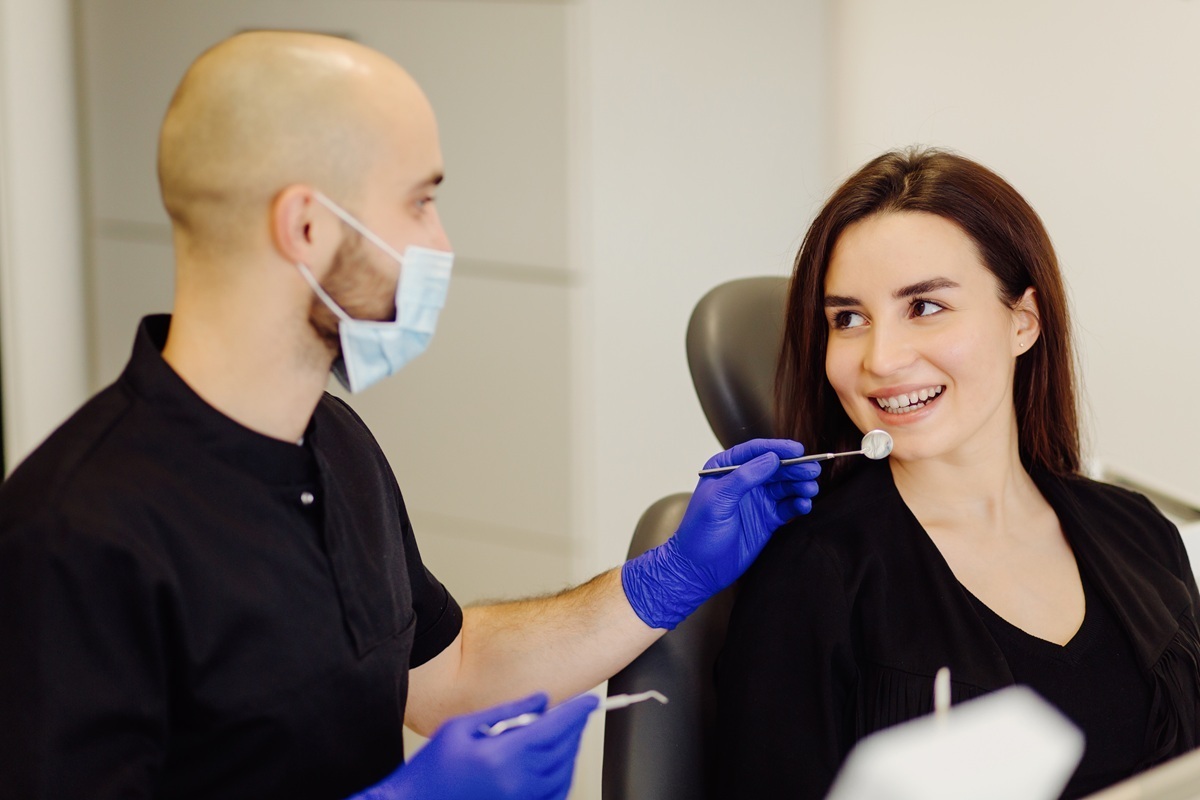
Cavities are one of the most common dental problems, but they are also among the most preventable. Whether you’re caring for a toddler’s first teeth, helping a teenager maintain good oral habits, or protecting your own smile as an adult, cavity prevention is a lifelong commitment.
Many people assume cavities are simply a result of eating too much sugar. While sugar plays a role, tooth decay is often caused by a combination of factors, including poor oral hygiene, dry mouth, dietary habits, and missed dental visits. The good news is that with the right habits and professional care, you can significantly reduce your risk of developing cavities at any stage of life.
Regular checkups with a trusted dentist in Tucson can help identify early signs of decay before they become larger, more expensive problems. At Twin Peaks Dental, we believe prevention is always the best treatment.
Understanding How Cavities Form
Cavities develop when bacteria in the mouth feed on sugars and starches left behind after eating. These bacteria produce acids that gradually wear away tooth enamel. Over time, the damage creates small holes in the teeth that continue to grow if left untreated.
Common factors that increase cavity risk include:
- Frequent snacking on sugary foods
- Drinking soda, sports drinks, or sweetened coffee
- Inadequate brushing and flossing
- Dry mouth caused by medications or health conditions
- Skipping routine dental cleanings
- Poor nutrition
The earlier decay is detected, the easier it is to treat.
Cavity Prevention for Infants and Young Children
Healthy dental habits start earlier than many parents realize.
Tips for Parents
- Clean your baby’s gums with a soft cloth before teeth erupt.
- Begin brushing as soon as the first tooth appears.
- Use a rice-sized amount of fluoride toothpaste for children under three.
- Avoid putting babies to bed with bottles containing milk or juice.
- Schedule the first dental visit by age one.
Children who develop strong oral care habits early are more likely to maintain healthy smiles as they grow.
School-Age Children: Building Lifelong Habits
As children become more independent, they also become more vulnerable to cavities due to snacks, sports drinks, and inconsistent brushing.
Encourage These Healthy Habits
- Brush twice daily for two minutes.
- Floss once a day.
- Choose water over sugary beverages.
- Pack tooth-friendly snacks such as cheese, apples, and carrots.
- Ask about dental sealants for added protection.
Dental sealants create a protective barrier on molars, helping prevent food and bacteria from settling into deep grooves.
Teenagers: Managing New Challenges
The teenage years bring unique risks for oral health.
Busy schedules, increased consumption of energy drinks, orthodontic treatment, and inconsistent hygiene can all contribute to tooth decay.
Teen-Friendly Cavity Prevention Tips
- Carry a reusable water bottle throughout the day.
- Limit acidic beverages.
- Brush carefully around braces or aligners.
- Replace toothbrushes every three months.
- Wear a mouthguard during sports activities.
Many teens enjoy outdoor activities and athletics year-round. Proper hydration with water instead of sugary sports drinks can make a meaningful difference in cavity prevention.
Adults: Protecting Your Smile for the Long Term
Adults often face cavity risks that differ from those experienced during childhood.
Stress, busy work schedules, medications, and dietary habits can affect oral health.
Important Prevention Strategies
- Maintain consistent brushing and flossing routines.
- Avoid frequent snacking between meals.
- Drink plenty of water throughout the day.
- Attend regular professional cleanings.
- Address teeth grinding if present.
- Consider fluoride treatments if recommended.
Many adults are surprised to learn that cavities can develop around existing fillings and dental work. Routine examinations help detect these issues early.
Seniors: Special Considerations for Aging Smiles
As we age, changes in oral health can increase cavity risk.
Common concerns include:
- Dry mouth caused by medications
- Gum recession exposing tooth roots
- Difficulty brushing or flossing effectively
- Existing restorations requiring monitoring
How Seniors Can Reduce Their Risk
- Stay hydrated throughout the day.
- Use fluoride products recommended by your dentist.
- Consider electric toothbrushes for easier cleaning.
- Keep regular dental appointments.
- Discuss dry mouth solutions with your dental team.
Preventive care remains one of the most effective ways to preserve natural teeth well into retirement.
Everyday Habits That Help Prevent Cavities
No matter your age, these simple practices can make a significant impact:
Daily Checklist
- Brush twice daily with fluoride toothpaste
- Floss every day
- Limit sugary snacks and drinks
- Drink water regularly
- Replace your toothbrush every three months
- Visit your dentist every six months
- Address dental concerns before they worsen
Small, consistent habits often provide the greatest long-term benefits.
Contact us to schedule your preventive dental checkup. Our experienced team is here to help patients of all ages maintain strong, healthy teeth with personalized care and guidance.
Why Preventive Dental Visits Matter
Even excellent brushing and flossing cannot remove every bit of plaque and tartar buildup. Professional cleanings target areas that are difficult to reach at home.
Preventive visits also allow your dental team to:
- Detect cavities early
- Monitor gum health
- Check for signs of oral cancer
- Evaluate existing dental work
- Provide personalized recommendations
Many dental issues develop silently without noticeable symptoms. Regular checkups help catch problems before they become painful or costly.
Protect Your Smile at Every Stage of Life
Preventing cavities is not about perfection—it’s about consistency. Healthy daily habits, smart dietary choices, and regular professional care can help keep your teeth strong for years to come.
Whether you’re bringing in your child for their first visit, maintaining your own oral health, or helping an aging family member protect their smile, preventive care is one of the best investments you can make.
At Twin Peaks Dental, we’re committed to helping patients of all ages enjoy healthier smiles through personalized preventive care. Schedule your appointment today and take the next step toward lasting oral health.
Frequently Asked Questions
How often should I visit the dentist to prevent cavities?
Most patients benefit from dental visits every six months. Some individuals with higher cavity risk may require more frequent appointments.
Are cavities always painful?
No. Many cavities cause no discomfort during their early stages, which is why routine exams are so important.
Is fluoride safe?
Yes. When used as directed, fluoride is a safe and effective way to strengthen enamel and reduce cavity risk.
Can adults still get cavities?
Absolutely. Cavities can occur at any age, especially around existing fillings, exposed roots, and areas that are difficult to clean.
What foods help protect teeth?
Foods rich in calcium, fiber, and protein such as cheese, yogurt, nuts, apples, and leafy greens can support better oral health.